Overview
This is an exciting time in gravitational-wave astronomy! LIGO, Virgo, and KAGRA just finished their fourth observing run (O4). Data from the past three observing runs (O1, O2, and O3) and the beginning of O4 (O4a) are publicly available, and include over 200 detections of compact object mergers. And the list continues to grow as more confirmed detections are added.
After you enroll, you will receive a crash-course in gravitational-wave (GW) data analysis. By the end of this course, you should be able to:
- Describe the basics of how LIGO and Virgo record data
- Find and download LIGO/Virgo/KAGRA data
- Make plots of real data and simulated waveforms
- Use matched filtering to identify transient signals in LIGO/Virgo data
- Use parameter estimation to extract astrophysical information from transient signals
This course includes lectures, software tutorials, quiz questions, and a data challenge. Complete the course and data challenge to receive a certificate.
Lecture Schedule
Monday, April 20th
- 1:45PM CEST: Introduction
- 2PM CEST: Introduction to Gravitational waves (45mn), Viola Sordini
- 3PM CEST: Accessing Open Data (30mn), Agata Trovato
- 4PM CEST: Signal Processing (45mn), Quentin Baghi
Tuesday, April 21st
- 2PM CEST: CBC Science (45mn), Frédérique Marion
- 3PM CEST: DetChar (30mn), Francesco Di Renzo
- 4PM CEST: CBC Searches (45mn), Tito Dal Canton
Wednesday, April 22nd
- 2PM CEST: Parameter Estimation (45mn), Charlie Hoy
- 3PM CEST: Introduction to hierarchical inference (30mn), Vasco Gennari
- 4PM CEST: Challenges in future detectors 3G/LISA (30mn), John Baker
Optional seminar
An internal seminar is planned on Wednesday, April 22 at 5:30 PM (see the timetable). This seminar is not part of the ODW and won't be broadcasted. It is however open to all participants.
Speakers
 |
 |
 |
||
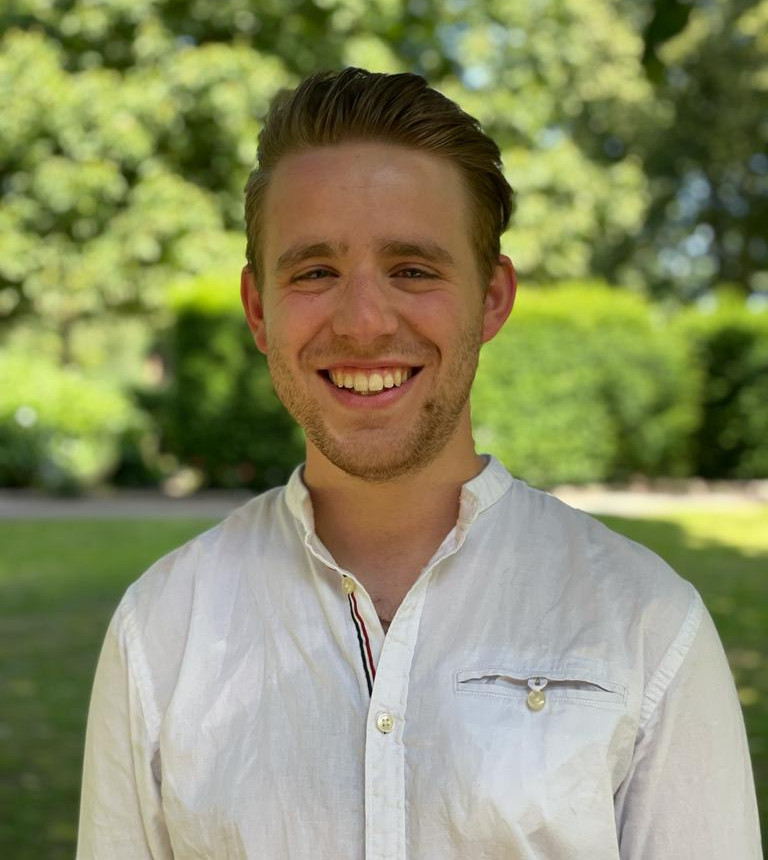
Charlie Hoy |
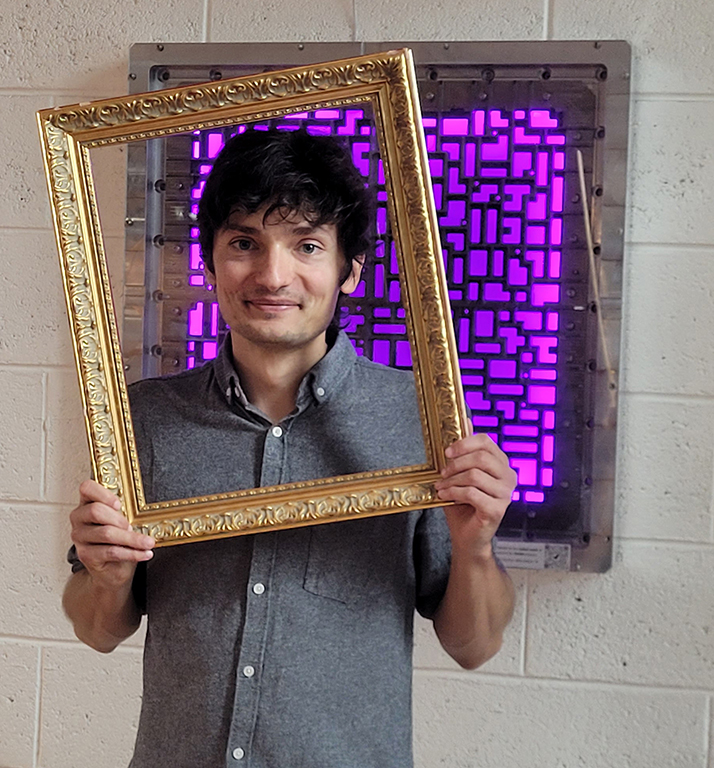
Vasco Gennari |
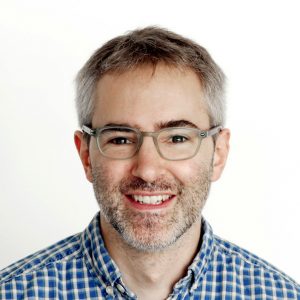
Quentin Baghi |
||
|
Charlie is the Dennis Sciama Research Fellow at the University of Portsmouth, UK. Charlie primarily works on Bayesian inference: the process of inferring the source properties from the observed gravitational-wave signal. Charlie's recent interests include investigating model systematics, leveraging physical insights to reduce the computational cost of Bayesian inference, and using Bayesian techniques to learn about the properties of compact-object mergers in the universe. |
Vasco is a PhD student at the Laboratoire des 2 Infinis (L2IT), a joint research unit of CNRS and the University of Toulouse, France. His research explores gravity in extreme regimes through gravitational-wave observations, from the strong-field dynamics of black-hole mergers to the large-scale evolution of the Universe, leveraging astrophysical black-hole populations. Outside the office, he enjoys playing the piano, photography, and hiking. |
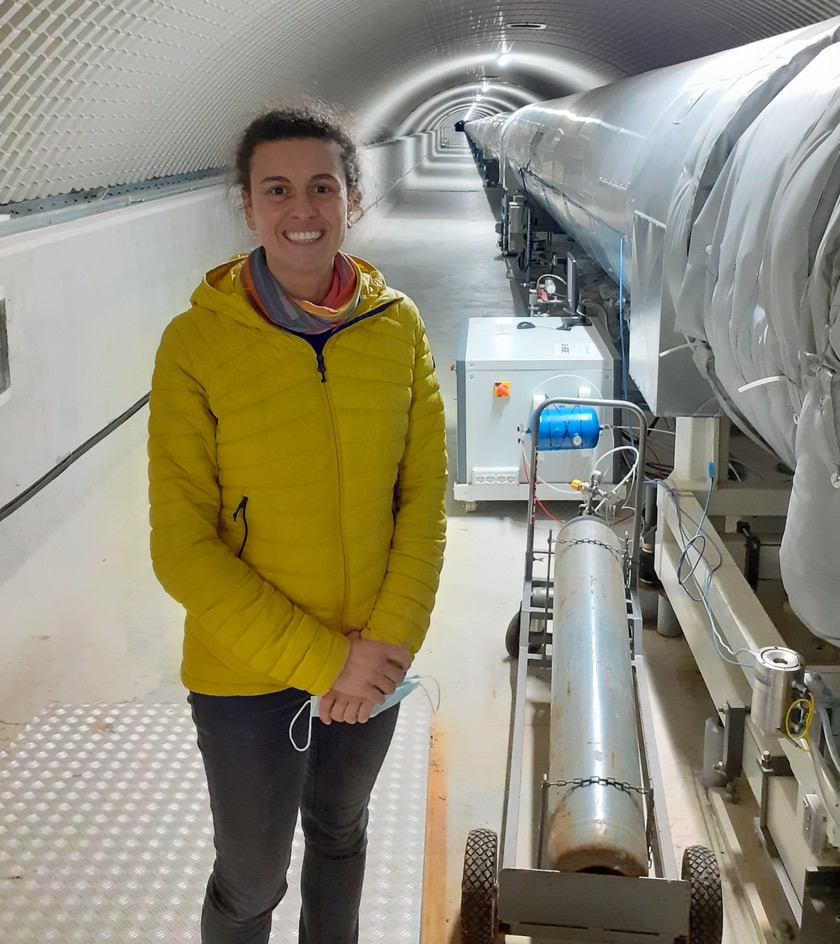
Quentin is an Assistant Professor at the Astroparticle and Cosmology Laboratory (APC) at Université Paris Cité in France. His research focuses on developing data analysis methods for gravitational-wave detectors. In particular, he is interested in stochastic gravitational-wave background searches and their connection with instrumental noise modelling. He is involved in (and excited about) the LISA space mission project and the development of its data processing centre. |
||
 |
 |
 |
||
Tito Dal Canton |
Viola Sordini |
Francesco Di Renzo |
||
|
Tito is a researcher at the Laboratoire de Physique des 2 Infinis Irène Joliot-Curie (IJCLab) in France. His main interest is using gravitational waves to study the mergers of black holes and neutron stars. Tito started his journey in the mid-2000s working with resonant-bar detectors. Then, he pursued a PhD on the preparation of search methods for the first observing run of advanced ground-based detectors. After his PhD he extended his interests to multimessenger astronomy with gravitational-waves and gamma-ray bursts, as well as LISA's science and data analysis in the context of black hole mergers. Currently he contributes mainly to the data analysis for the LIGO/Virgo/KAGRA network and the conception of the data analysis for ET. |
Viola Sordini is a researcher at the Institut de Physique des Deux Infinis de Lyon (France). She has worked in particle physics at accelerator facilities for over 15 years, the field in which she earned her PhD in 2008. Since 2019, her research has focused on gravitational waves. Her expertise lies primarily in data analysis, and she is currently involved in the search for gravitational-wave signals from the coalescence of black holes and neutron stars using data from the LIGO-Virgo-KAGRA interferometer network. |
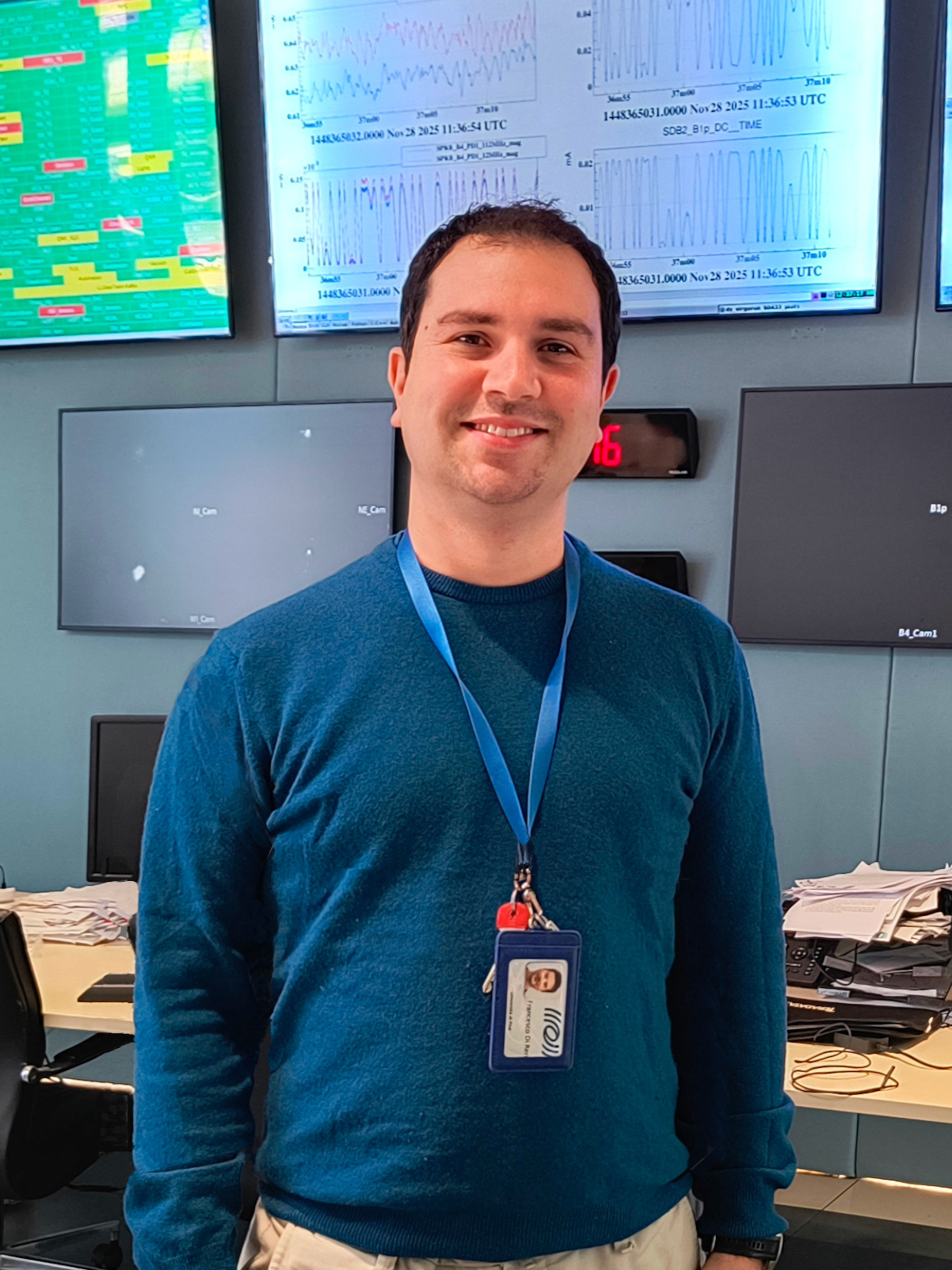
Francesco is a researcher at the Department of Physics and Astronomy of the University of Florence, Italy. His research focuses on gravitational waves, a field he has pursued since his Master's thesis, which investigated the detectability of non-standard polarizations in the stochastic gravitational-wave background. Since the beginning of his PhD, he has been working on detector characterization and currently serves as chair of the Virgo Detector Characterization group. During the O4 observational campaign of LIGO, Virgo and KAGRA, he coordinated the Rapid Response Team for transient gravitational-wave alerts, and served as co-chair of the Event Validation group. |
||
 |
 |
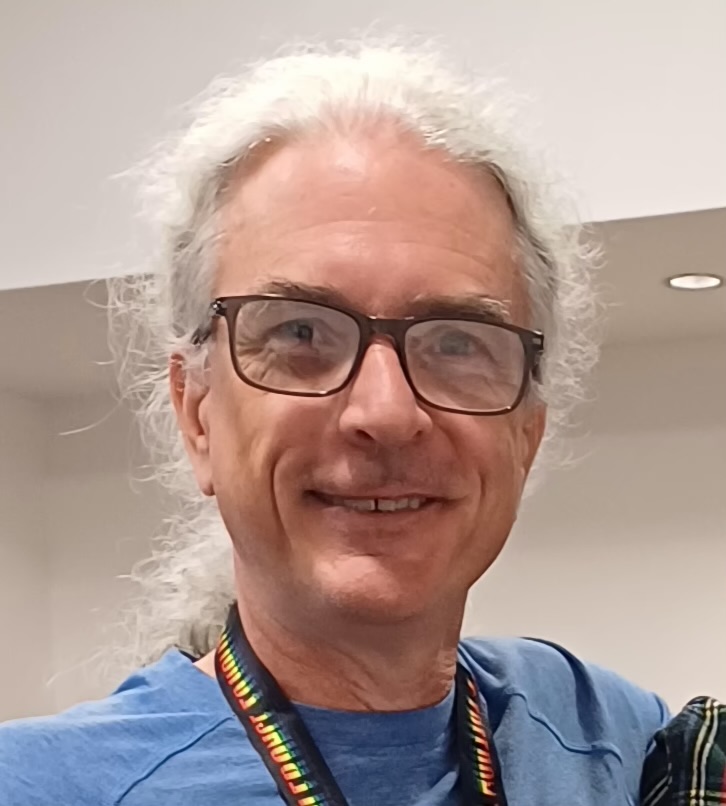 |
||
Agata Trovato |
Frédérique Marion |
John Baker |
||
|
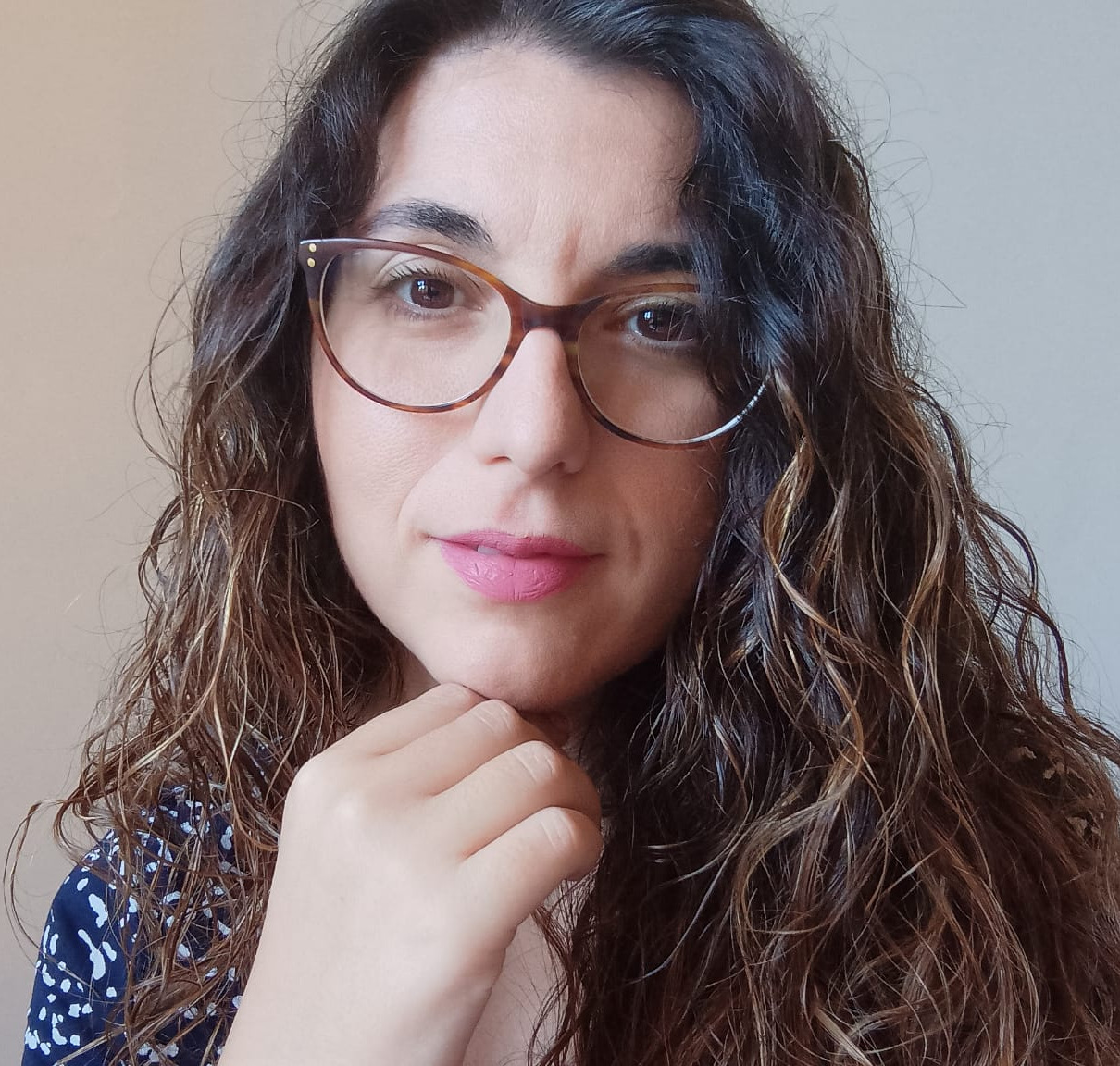
Agata Trovato is an Associate Professor at the Physics Department of the University of Trieste. Her research interests lie in astroparticle physics, and since 2017 she has focused on gravitational waves, with particular expertise in data analysis. She is co-chair of the working group responsible for the Gravitational Wave Open Science Center and contributes to preparing the LIGO-Virgo-KAGRA data releases. |
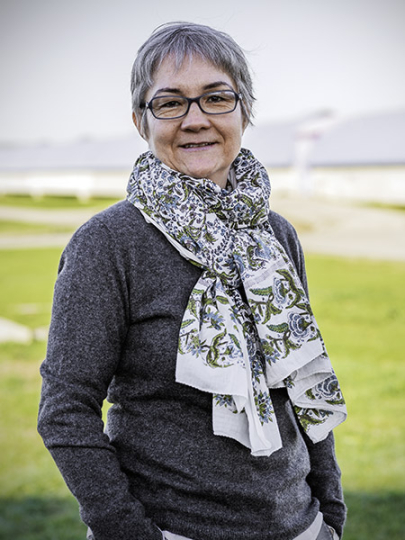
Frédérique is a researcher at the Laboratoire d’Annecy de Physique des Particules (LAPP, France). She has been a member of the Virgo collaboration since the early 1990’. She is involved in searches for signals from compact binary coalescences in the data from the LIGO-Virgo-KAGRA network. |
John recently joined the research team at the Laboratoire des 2 Infinis - Toulouse (L2IT), following more than 20 years of work as an astrophysicist at NASA. His work focuses mainly on understanding and realizing the science potential of the Laser Interferometer Space Antenna (LISA), as space-based mHz gravitational wave observatory under development by the European Space Agency and international partners. John’s early career centered on computing the gravitational wave signals from binary black hole mergers and later on the astrophysics multi-messenger signals. His recent focus is on preparing to analyze LISA data in a multi-messenger (and also multi-GW-band) context. |
||
Tutorials
This workshop uses software tutorials to introduce practical GW data analysis. You will work on the tutorial during hands-on mentoring sessions with local experts.
Please be aware that the tutorials will be under some development before the start of the workshop, so they are subject to change.
These tutorials will be used during the hands-in sessions and are needed to answer the quiz on Thinkific.
- You'll need a computer and internet connection. Any operating system will do.
- Tutorials may be run locally on your computer, or online in the browser.
- Some previous experience with the Python language is recommended.
Visit the software tutorial repo page and setup instructions page to learn how to run them.
Optional: Introductory Tutorials
If you're new to python or signal processing, you may wish to explore some introductory material in advance of the workshop:
Get help!
If you still have questions you can post them in the discussion forum at ask.igwn.org.